
Comprehensive Guide to Unlocking Top Classes in Last Stop
Which Last Stop classes are worth unlocking?
The post Last Stop Classes Tier List [Best Classes to Unlock] appeared first on Gamezebo.
Which Last Stop classes are worth unlocking?
The post Last Stop Classes Tier List [Best Classes to Unlock] appeared first on Gamezebo.
**Performance Challenges in Video Games: A Personal Encounter with Project P.I.T.T.**
Performance challenges are a constant worry for gamers, especially in the domain of PC games where hardware setups can differ vastly. Addressing these challenges can often seem laborious and out of reach, particularly for those lacking technical knowledge. Often, players tend to blame their discontent on a game’s optimization failures or coding errors.
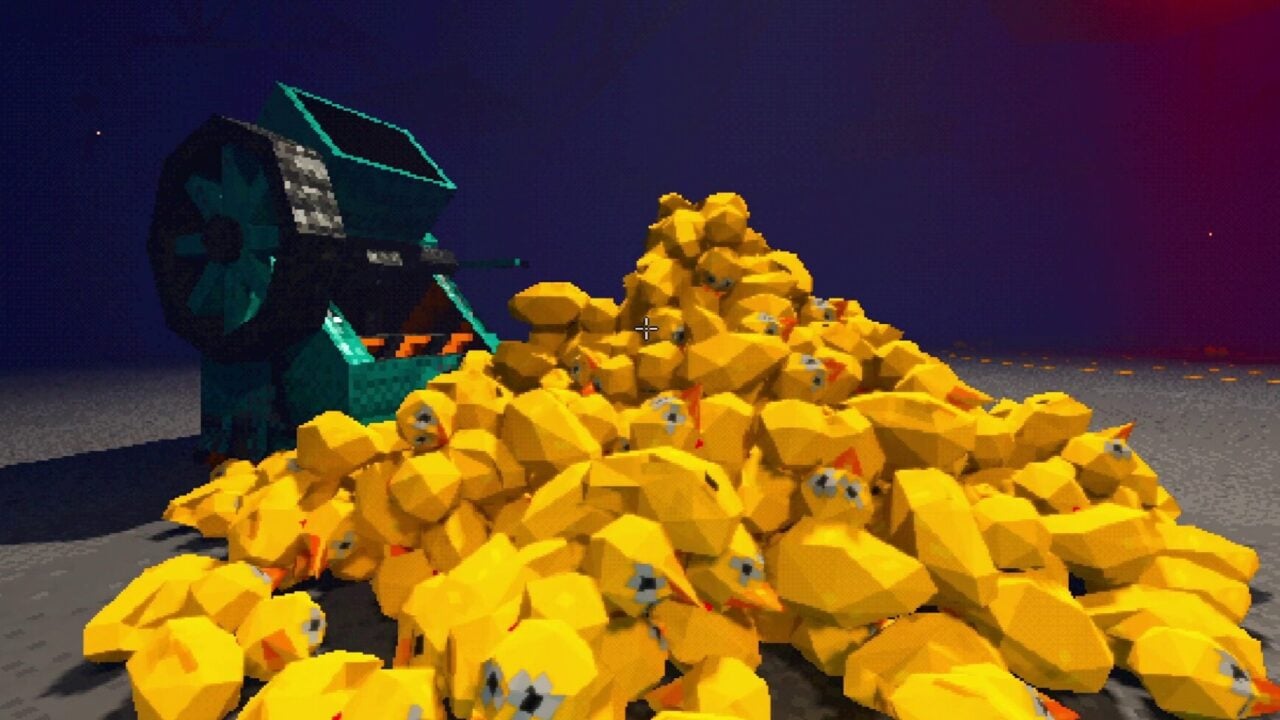
My journey with *Project P.I.T.T.*, an automation sandbox title crafted by Froke, highlighted a rather particular performance issue. The burning question emerges: is it reasonable to fault a game for reducing my framerate to an excruciating crawl reminiscent of a Microsoft PowerPoint presentation when I purposely altered its mechanics to flood my screen with an excessive amount of rubber duckies?
*Project P.I.T.T.* acts as a spoof of the automation genre, requiring players to satisfy the cravings of the Maw—a massive pit situated in a barren facility. The Maw desires products, necessitating creativity and ingenuity in the way players supply it using objects like rubber duckies, cash registers, and piñatas.
The crux of the gameplay lies in the manipulation of physics. Players can design magnetized slides and fan-powered corridors to build automated systems that funnel products into the Maw. The overarching aim seems to be self-sabotage: the game’s punchline is founded on the idea that *Project P.I.T.T.* ultimately wishes for players to cease playing.
While the optimal method involves automated product delivery, my initial forays into the game unveiled more effective strategies. *Project P.I.T.T.* includes a combo system that grants players multiplied scores for feeding products into the Maw rapidly, although this combo diminishes quickly over time. Consequently, even the most efficient automation arrangements eventually come up short.
Employing a distinctive approach, I created a containment zone to stockpile thousands of rubber duckies, only stepping in as needed to adjust strayed ones. Despite my powerful gaming rig—comprising a Ryzen 7 7700X CPU, an RTX 4080 graphics card, and 64GB of RAM—*Project P.I.T.T.* typically ran smoothly, thanks to its low-demand PSX-style visuals. However, my establishment of a rubber ducky refuge ultimately deteriorated the game’s performance.
As I gathered around 3,000 rubber duckies, I noticed my PC’s fans spinning up to frightening speeds. Initially mild, the framerate drops escalated, plummeting swiftly to about 10 frames per second as I surpassed the 5,000 rubber duck threshold. The graphical pandemonium incited an unexpected wave of motion sickness, worsening my discomfort as my FPS persisted in its decline.
With the situation spiraling beyond control, I faced a choice: either halt my experiment or risk overheating my PC. Attempting to restore order proved challenging, as the drastic framerate drop rendered navigating my facility sluggish and difficult. Ultimately, I aimed to define the enclosure, only to compromise what remained of my framerate as the ducky horde tumbled into the Maw, one agonizing frame at a time.
After several minutes, the catastrophe reached its climax, barely registering a combo of 1,000, rendering my efforts futile.
In hindsight, one might place blame on the developer for not predicting such extremes, yet personal responsibility seems more fitting. Reflecting on this gaming experience brings to mind an age-old video of a player crashing *Skyrim* after launching 5,000 cabbages in-game. It demonstrates that developers cannot be reasonably expected to optimize their games for every imaginable player blunder—just as Tide Pods cannot be held accountable for the misguided actions of individuals treating them as edible items.
Ultimately, *Project P.I.T.T.* offered plenty of creative avenues, yet I foolishly pushed them well beyond intended thresholds. Despite the chaos, the experience was enjoyable enough that I would consider revisiting it—though, perhaps, with a more cautious eye toward hardware limitations.
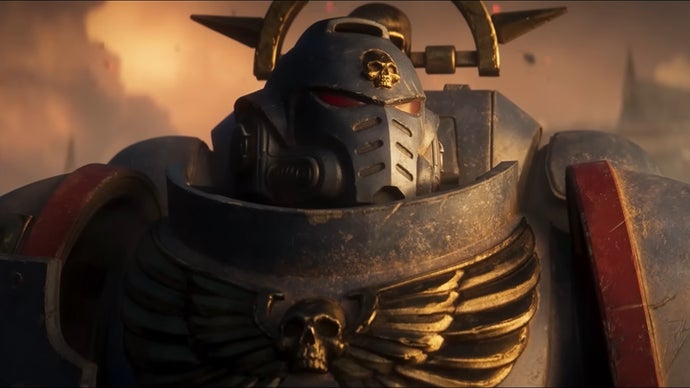
The Total War: Warhammer 40,000 team at Creative Assembly encounters a distinctive challenge: finding a balance between intricacy and user-friendliness. The game, characterized by its designer Joy Dey as both the most intricate and most user-friendly, fuses new systems and mechanics, like line-of-sight and cover, to accommodate the substantial firepower and melee engagements of Warhammer 40,000.
Battle product owner Dave Petry further explains the necessity for these adaptations to authentically depict the sci-fi universe, requiring a reworking of systems to accommodate increased ranged firepower. Additionally, the game unveils the new Warcore engine, which facilitates a galaxy-spanning campaign with diverse battlegrounds.
Creative Assembly strives to cater to both seasoned and novice players. Every subfaction receives distinct attention, showcasing unique strategies and permitting unit specialization — a first in the series — enabling fans to tailor weapons and sergeants to align with their preferences.
To assist newcomers, the game features an “accessible” tutorial with UI gating, gradually introducing systems through dedicated campaigns. Dey and Petry stress this importance for easing players into the Total War experience while immersing them in Warhammer 40,000’s grimdark atmosphere.
Rob Bartholomew, the brand director, perceives this launch as the “beginning of a new era” for Creative Assembly, with intentions to continuously grow and refine the game after its release. The enthusiasm is evident as Petry shares the team’s commitment to providing an exceptional experience, recognizing potential challenges but pledging dedication to progress.
**The Dissatisfaction Regarding the Ocarina of Time Remake: An In-Depth Examination**
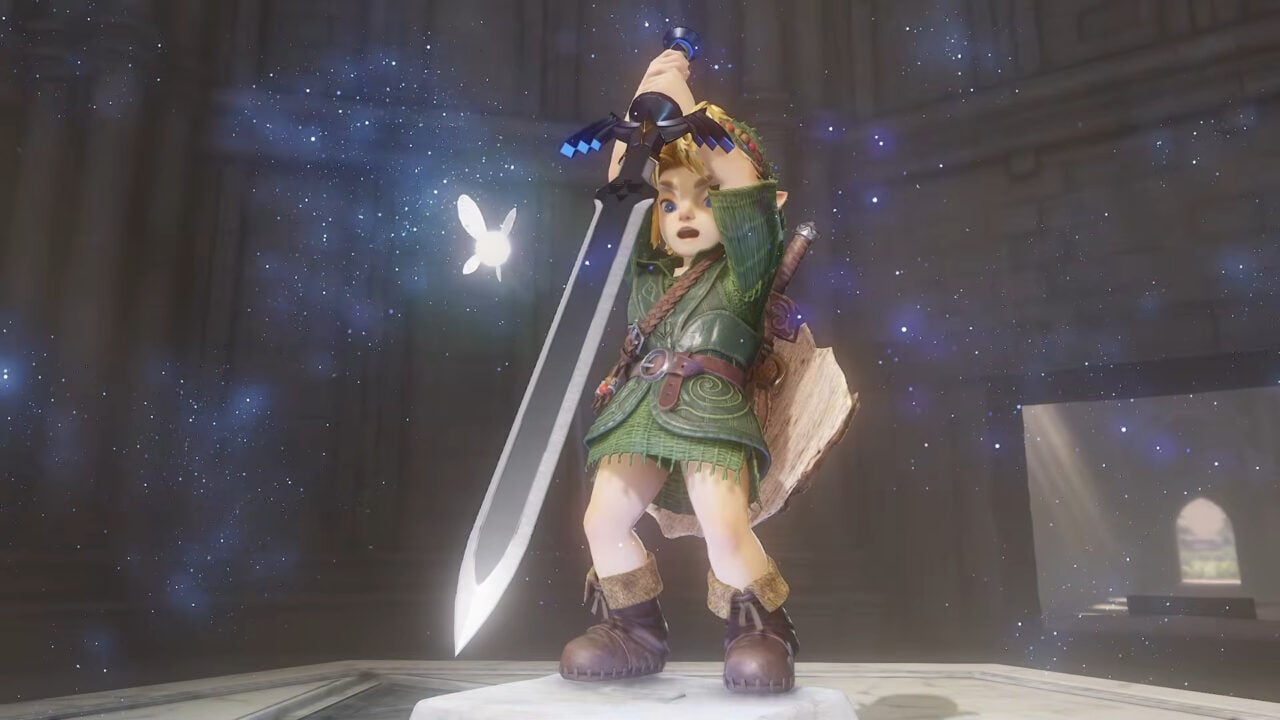
When Nintendo unveiled the remake of *Ocarina of Time*, it ignited significant debate among fans, often trending towards criticism. Many expressed that Link’s redesigned hyper-realistic look moved him away from the cherished, fantastical scenery of Kakariko Forest into the unsettling territory of the Uncanny Valley. Initial responses were brief, but later presentations, especially during Nintendo’s *Legend of Zelda* 40th Anniversary Direct showcase, reinforced these concerns among reviewers.
Link’s altered appearance has received a considerable amount of backlash, chiefly due to his glossy, nearly synthetic texture, which becomes even more evident in moist conditions. Observers remarked that rather than achieving a refined appearance, it strayed into a realm reminiscent of subpar generative AI outputs—resulting in the perception that Link’s face appears overly processed, losing the allure that defined his initial design.
Curiously, the critique does not uniformly extend to the other characters in the game. Unlike Link’s disconcerting design, the visual depictions of foes and non-human figures, such as Princess Ruto and the Great Fairy, have been largely well-received. They capture the fantastical styles that fans had envisioned for a modernized *Ocarina of Time*. The difference in detail between Link and his counterparts produces an uneven visual hierarchy, where Link awkwardly contrasts with the more cartoonish aesthetics of his allies.
This stirring of graphic discussions is not a new phenomenon within the *Zelda* series. Past instances of visual redesigns have historically led to criticisms from the gaming audience. For example, the cel-shaded aesthetics of *Wind Waker* encountered substantial backlash, and later, *Twilight Princess* was scrutinized for its darker, more realistic approach. Each iteration tends to ignite similar debates about artistic direction and adherence to the franchise’s visual heritage.
A recurring concept in video game development is the quest for realism, which can unintentionally cause a game’s visual appeal to become outdated as technology progresses. The original *Ocarina of Time*, while constrained by the limitations of the Nintendo 64, established a visually iconic style that fans cherish. Nintendo, renowned for its innovative imagination, has often avoided trailing the latest fads, instead concentrating on a distinct artistic vision. Nonetheless, the current strategy for the *Ocarina* remake seems to align more closely with the hyper-realism found in modern gaming, which appears to strive to contend with the graphics of major franchises like *Wolverine* and *Grand Theft Auto VI*, rather than setting itself apart as distinctly Nintendo.
As the gaming community continues to express its apprehensions, it remains uncertain how Nintendo will manage this blend of nostalgia and modernity. The aesthetic decisions made in the *Ocarina of Time* remake may shape the perception and reception of future *Zelda* installments and their dedication to a consistent artistic vision versus market tendencies in video game visuals.

Exophase, recognized for monitoring game accomplishments on leading platforms, has been unexpectedly flooded with unconfirmed achievement lists for significant upcoming titles, including Persona 6, Deus Ex Remastered, and Kingdom Hearts 4, despite the absence of official announcements. Notably, the list for Persona 6 may include spoilers, although Atlus has yet to present any gameplay. The achievements for Kingdom Hearts 4 appear to hint at Disney worlds involved, supporting various fan theories. Furthermore, leaks reference unannounced Steam games, with speculation surrounding Thief: The Dark Project Remastered and Squadron 42 being included. Essentially, if validated, this reflects previous leaks such as the 2021 Nvidia event. Valve’s reaction remains awaited, and more updates are anticipated shortly.
# Meccha Chameleon: Converting a Viral Game Into an Actual Experience
*Meccha Chameleon*, an indie game from Japan, captured the internet’s attention earlier this summer, enchanting both gamers and streamers. This distinct game, centered on the imaginative idea of painting oneself to merge with the environment, gained immense popularity, surpassing 20 million units sold in just its first two months. With its affordable price and the option to craft custom maps, *Meccha Chameleon* presents limitless variety and thrill, making it a top choice within the gaming community.
## The Game’s Idea and Allure
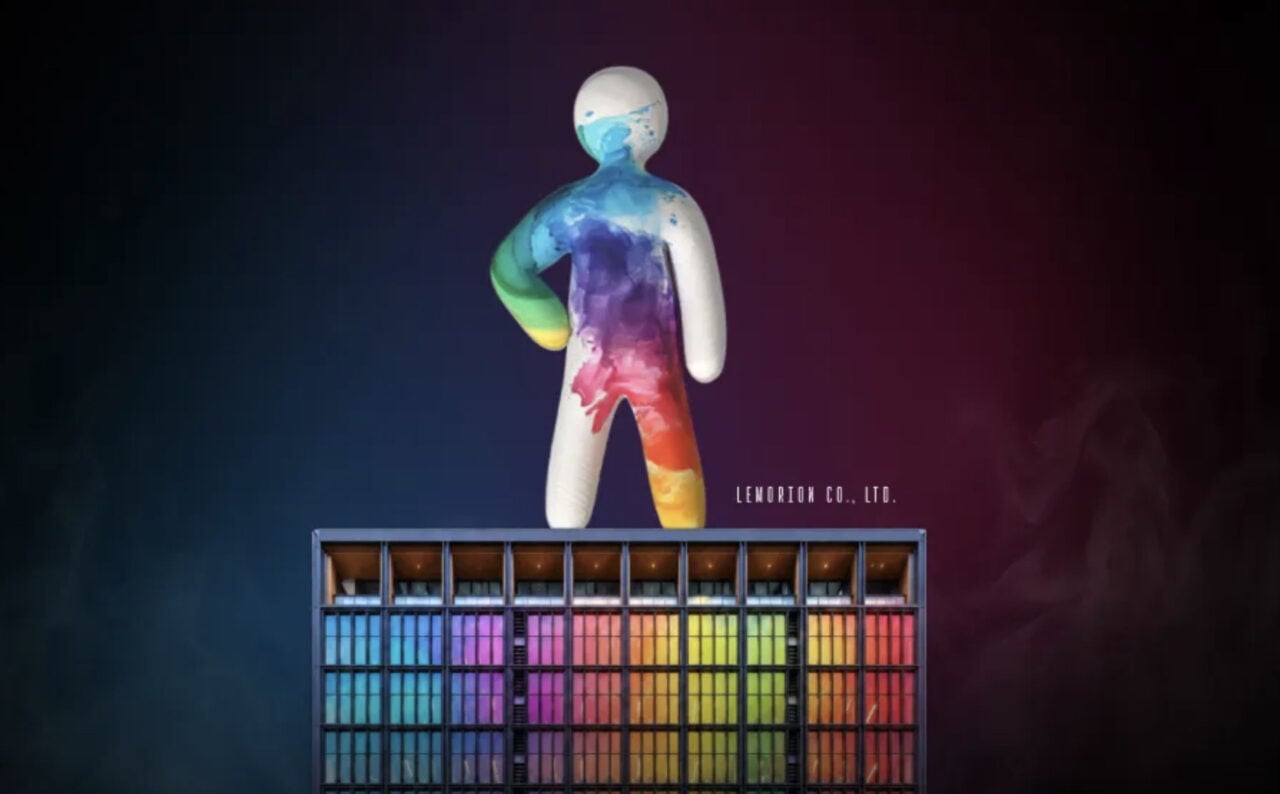
At its essence, *Meccha Chameleon* showcases a straightforward yet captivating gameplay mechanic. Players embody generic avatars that can be painted to blend into their surroundings, transforming into live canvases. This aspect renders it supremely enjoyable—while the avatars are easily identifiable, they can become unexpectedly hard to find when well concealed. The game’s dynamic nature has spurred players to recreate their avatars in real life, emphasizing the collaborative facet of the gaming experience.
## Initiating a Real-World Event
On September 23rd, a complimentary event called “Meccha Chameleon Real Event” will occur at the One Fukuoka Building, Fukuoka, Japan. This gathering allows attendees to create their chameleon figures and hide them within the venue for others to find. This inventive communal event merges the game’s primary mechanics of hiding and seeking with real-world interactions.
To promote family involvement, the event invites young attendees to compete alongside their parents, particularly aimed at elementary school-aged children. Adults are also encouraged to partake in the festivities independently. Enhancing the thrill, the event partners with organizations such as the arcade chain Round1 to establish themed “stages,” expanding the range of hiding spots and overall experience.
## Collaboration with Bloomin’ Kids
The event is arranged in partnership with Bloomin’ Kids, a program dedicated to making art creation accessible and enjoyable for kids. This collaboration highlights the importance of joint and innovative experiences, merging art with the gameplay elements of *Meccha Chameleon*. By transforming the hide-and-seek gameplay into a real-life activity, the event aims to cultivate creativity and connections among participants.
## Future Opportunities
In light of the tremendous success of *Meccha Chameleon*, this event might open doors for similar experiences in various places, providing fans with new avenues to interact with the game beyond the screen. With its mix of creativity, competition, and communal essence, the *Meccha Chameleon Real Event* showcases the potential for indie games to exceed conventional gaming limits, forging lasting memories and connections in the real world.
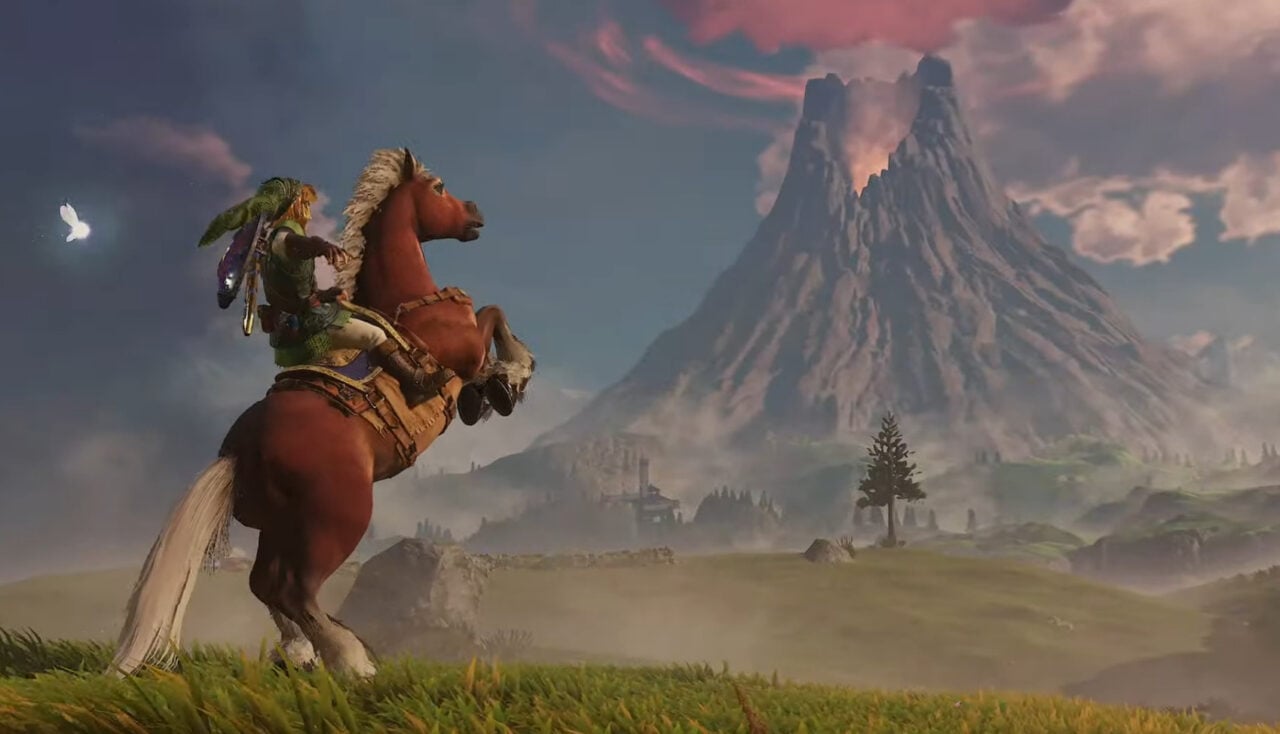
### The Legend of Zelda: Ocarina of Time Remake – An In-Depth Examination
The eagerly awaited remake of *The Legend of Zelda: Ocarina of Time* is scheduled to debut on November 5 for the Switch 2. Nearly three decades after the initial launch, this remake aims to evoke nostalgia and present fresh experiences for both long-time fans and newcomers. With the latest trailer revealed during the 40th anniversary Direct, enthusiasts were treated to a preview of the enhanced adventure through Hyrule.
#### Familiar Locations
The trailer begins with breathtaking environmental visuals showcasing legendary sites from Hyrule. Fans will be able to identify spots such as Lon Lon Ranch, Death Mountain, and Kakariko Village. Adult Link is depicted riding Epona across Hyrule Field and moving through known locations like Kokiri Forest and the market of Hyrule Castle Town. These refreshed graphics infuse new vitality into the cherished landscapes of the game.
#### Classic Adversaries Return
As Link traverses Hyrule, he will confront a variety of well-known enemies. The trailer features clashes with classic adversaries like the Wolfos near the Forest Temple, the swirling Leevers of Gerudo Valley, and the powerful Beamos in Dodongo’s Cavern. These enemy designs evoke the nostalgia of the original titles while showcasing the improvements afforded by contemporary graphics.
#### Temporal Manipulation in the Temple of Time
A pivotal gameplay element in *Ocarina of Time* is time travel, allowing Link to alternate between his juvenile and adult forms. The trailer emphasizes this aspect by depicting Link aging as he obtains the Master Sword from the Pedestal of Time. This age-based mechanic not only enriches gameplay but also influences the story, with environments subtly shifting to reflect Link’s different life stages.
#### Adult Link Combat
Numerous memorable battles in *Ocarina of Time* occur during Link’s adult phase. In the trailer, viewers can see exhilarating combat scenes against foes such as Stalfos and the Iron Knuckle mini-boss. Transitioning to adult Link equips players with advanced weapons and abilities, heightening the excitement of these confrontations.
#### Link’s Toolset
Link’s arsenal is crucial for both combat and solving puzzles. The remake will include iconic items such as bombs for destruction, torches for light, a hookshot for crossing gaps, the Megaton Hammer, a ranged boomerang, and Iron Boots for exploring underwater. Strategically utilizing each tool will enhance player interaction and exploration across Hyrule.
#### Mini-Games and Diversions
The trailer also suggests a variety of activities within Ocarina’s universe. Players can anticipate enjoyable moments such as gliding with a Cucco, fishing, engaging in timed challenges, and whimsical scenarios like being consumed by Lord Jabu-Jabu. These mini-games contribute depth to the gameplay, providing a respite from intense fights and quests.
#### Familiar Faces Return
Throughout his quest, Link forges bonds with multiple allies. The trailer highlights beloved characters such as Malon, the Great Fairy, Sheik, Saria, Darunia, Princess Ruto, and Zelda, enriching the sense of camaraderie and emotional investment throughout the adventure.
#### The Threat of Ganondorf
No Zelda game would be complete without its main villain, Ganondorf. His reveal in the trailer is formidable and impactful, embodying his character’s essence as a significant threat. Various bosses from the game, including Gohma, Phantom Ganon, and Volvagia, are also prominently featured, increasing anticipation for their confrontations.
### Conclusion
The remake of *The Legend of Zelda: Ocarina of Time* is set to provide a revitalizing yet nostalgic experience for gamers. Combining classic gameplay, enhanced visuals, and a sentimental journey through memory lanes, this title is ready to reignite the enchantment of Hyrule for a new generation. Launching on November 5, it is an occasion not to be overlooked.
### Exophase Uncovers Unreleased Game Achievements: An In-Depth Examination
**Introduction**
Exophase, an interactive platform aimed at tracking trophies and achievements across multiple gaming consoles such as Steam, PlayStation, and Xbox, has recently attracted considerable interest following a leak that disclosed achievements for several upcoming games. This unexpected event has ignited extensive debate and conjecture among gamers and industry experts.
**The Leak**
The conversation regarding the leak began to intensify with the revelation of *Persona 6*, a much-anticipated sequel that developer Atlus has kept mostly concealed. The array of leaked achievements hinted at complex narrative elements and characters, raising concerns about potential spoilers prior to the game’s formal reveal. Shortly after, additional unidentified titles began to surface in the Exophase database, including potential spoilers for *Kingdom Hearts IV*.
Mike Bendel, the owner of Exophase, addressed the development, positing that the leak might originate from a mistake on Valve’s end rather than any intentional misconduct. According to Bendel, a number of unannounced games with private achievements inadvertently became visible through the Steam API. This rare malfunction enabled Exophase to scan and showcase achievement lists for these games before their public announcements.
**Noteworthy Games in the Leak**
Exophase’s unforeseen surge of unreleased game achievements featured a variety of titles that had not been previously revealed. Among the most frequently mentioned were:
– *Fable*
– *Judas*
– *Kena: Scars of Kosmora*
– *Professor Layton vs. Phoenix Wright: Ace Attorney*
– *Kingdom Hearts IV*
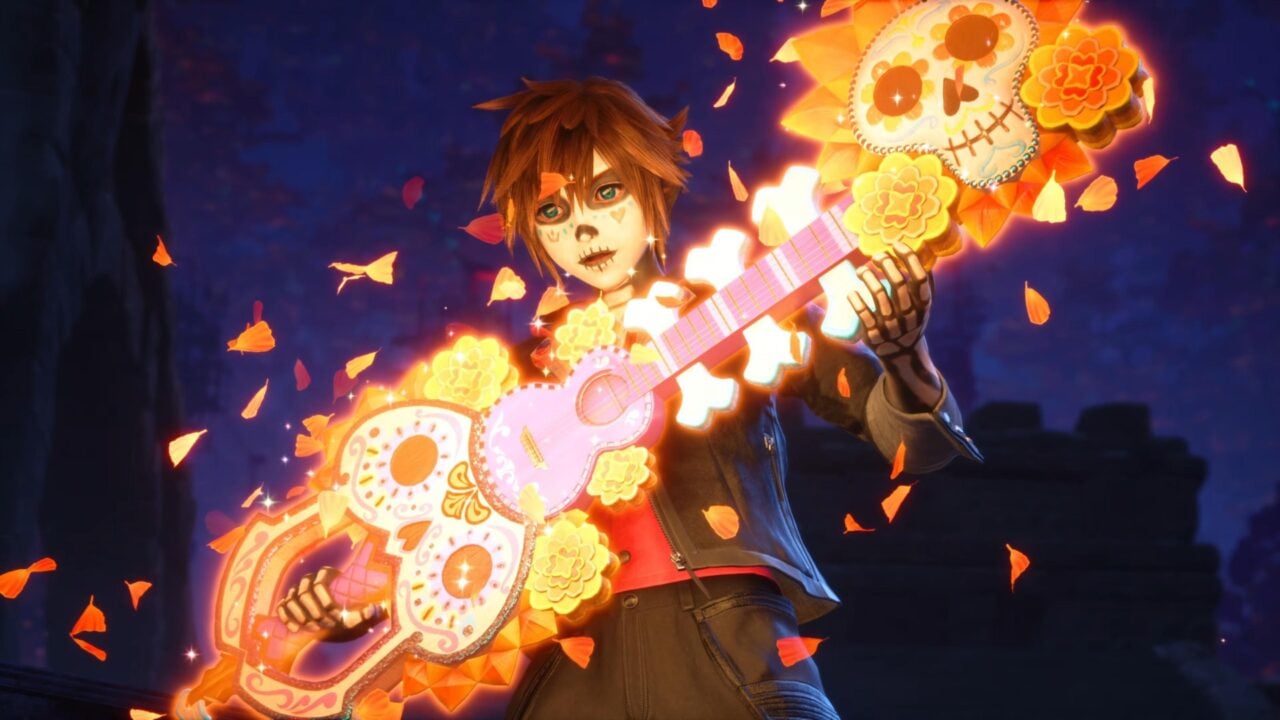
Particularly intriguing was *Kingdom Hearts IV*, as the leaked achievements seemed to reveal Disney-themed realms that Sora would traverse during the game. Previously, Square Enix had only confirmed that Sora would visit a world inspired by Pixar’s *Coco*, but the leak hinted at additional locations.
**Potential Worlds Uncovered**
The leaked achievements shed light on several worlds Sora might encounter, which include:
– Quadratum (*Kingdom Hearts*)
– Haunted Mansion (*Haunted Mansion*)
– Galaxy Far, Far Away (*Star Wars*)
– Land of the Dead (*Coco*)
– Monochrome Origins (Possibly alluding to classic Mickey Mouse cartoons)
– Savanna Central (*Zootopia*)
– Toy Box (*Toy Story*)
– Scala ad Caelum (*Kingdom Hearts*)
– Imagineer Planet (Potentially referencing Disney parks and development)
These disclosures have not only generated excitement among fans but have also prompted inquiries about the ramifications for upcoming story arcs and gameplay dynamics.
**Conclusion**
The accidental leak from Exophase has opened a floodgate of speculation regarding future game launches, especially for *Kingdom Hearts IV* and *Persona 6*. While the incident initially arose as a concerning misstep, it has sparked enthusiasm and intrigue within the gaming community. As developments unfold, upcoming announcements from developers such as Square Enix will be closely observed, with hopes that they will clarify or address the insights generated from this remarkable leak.
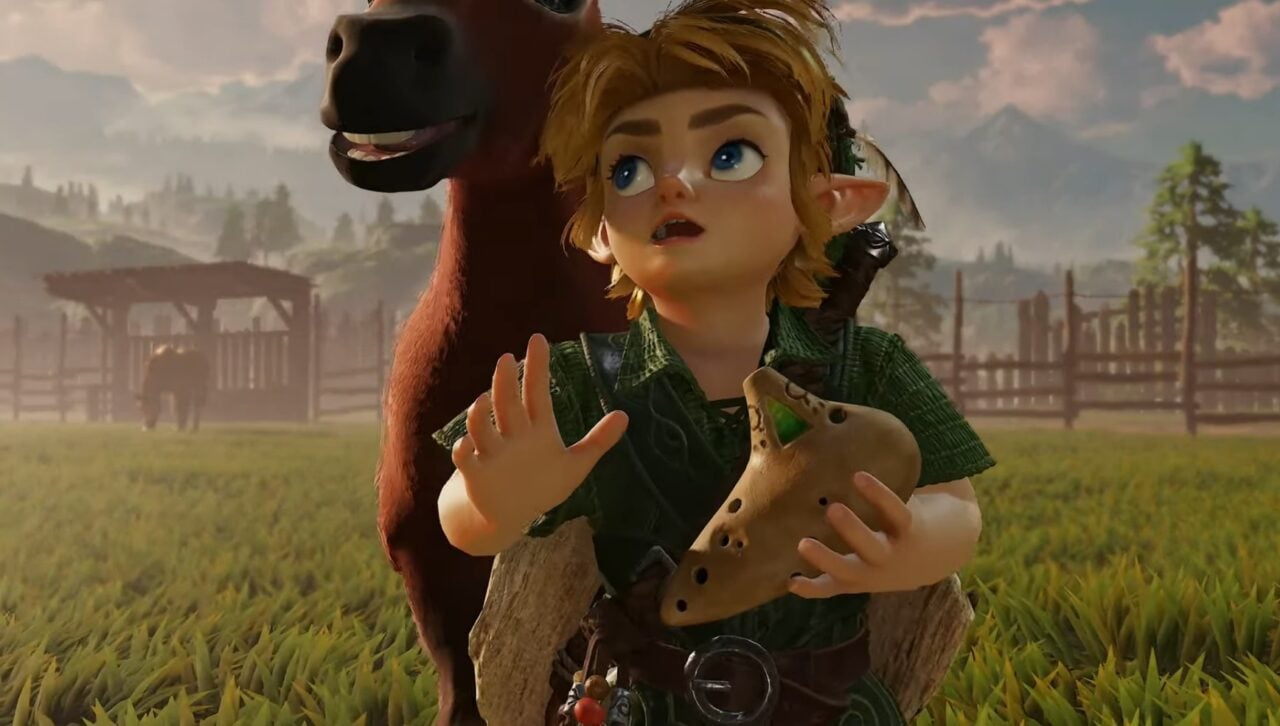
**The Legend of Zelda: Ocarina of Time Remake – A Fresh Chapter of Gaming Nostalgia**
Almost three decades after its initial launch, *The Legend of Zelda: Ocarina of Time* is set to make a comeback with an ultra-realistic HD remake designed to rejuvenate one of gaming’s most legendary titles. This remake moves away from the angular polygons of the Nintendo 64 timeline, presenting substantial graphical upgrades that align with modern gaming expectations.
The redesign has ignited a variety of reactions among fans, especially regarding the alteration in the franchise’s distinctive art style. While some welcome the update, others feel a sense of longing for the traditional visual aesthetics. Regardless, the recent unveiling of breathtaking screenshots has thrilled both veteran players and newcomers, showcasing a vivid reinterpretation of the game’s cherished characters and settings.
For those who spent their childhood navigating the expansive realm of Hyrule, the remake provides a nostalgic experience through familiar sites, including Kokiri Forest and Hyrule Castle, now vividly captured with detailed intricacies and enhanced with new visual effects. This transformation not only improves the game’s visual appeal but also fills in elements that were once left to players’ imaginations.
The revamp of *Ocarina of Time* is set to present 16 high-definition screenshots that display the improvements in depth and creativity. Each image offers insight into the careful design of landscapes, character models, and dynamic lighting, contributing to an immersive experience that respects the original while integrating the innovations of contemporary technology.
As excitement grows, fans eagerly look forward to the opportunity to re-enter the quests of Link, as he faces fresh challenges in a beautifully crafted rendition of Hyrule. This remake serves as a tribute to the lasting legacy of *Ocarina of Time*, connecting the past with the present while engaging a new generation of gamers.
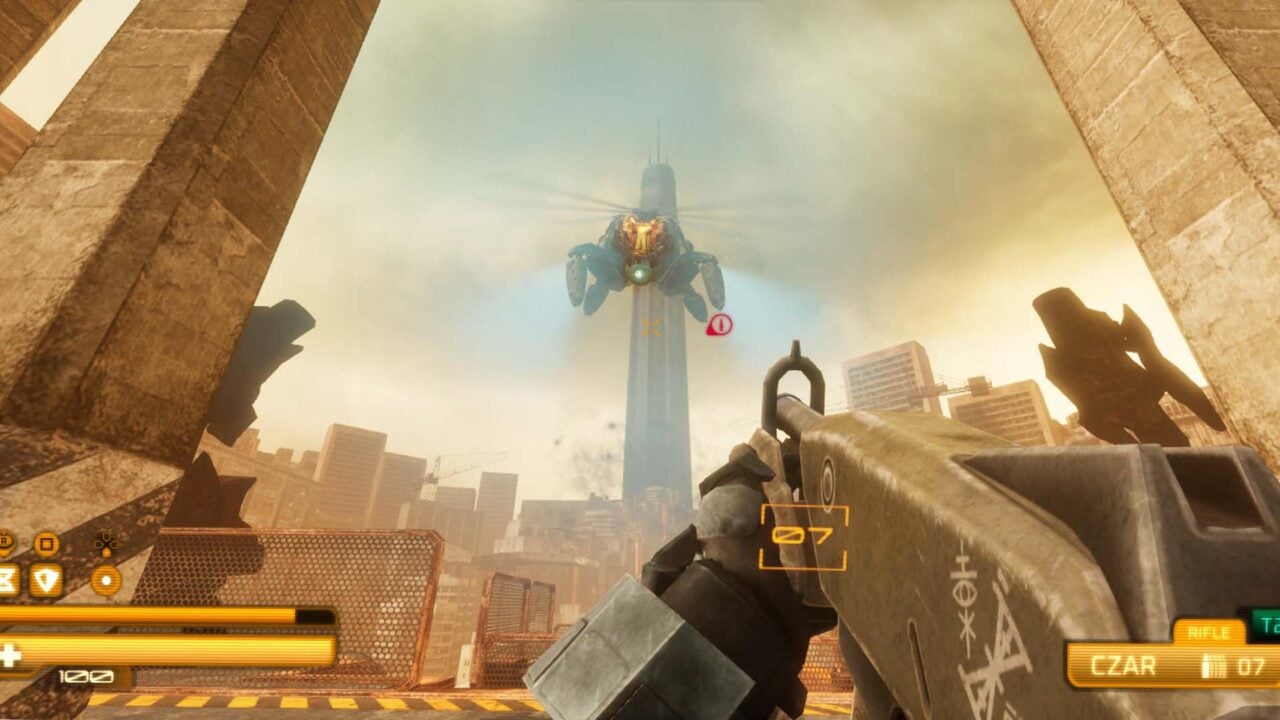
**Sprawl Zero: A Sentimental Expedition through PS2-Era FPS Gaming**
In the last ten years, a revival of retro-themed first-person shooters, often referred to as “boomer shooters,” has intrigued gaming fans. These games typically strive to emulate the classic visual styles and mechanics of legendary titles like the original *Doom*, *Quake*, and *Wolfenstein 3D*. While numerous gamers celebrate this resurgence, there are those who seek a different type of nostalgic adventure—one that recalls the first-person shooters from the PlayStation 2 period. Enter *Sprawl Zero*, a high-octane FPS that takes cues from the early 2000s and captures all the elements that players adored about that time.
*Sprawl Zero* is set in the same realm as the developer’s earlier boomer shooter, *Sprawl*. Players take on the role of Five, a genetically modified super-soldier whose mission is to take down a militant religious cult in a dystopian metropolis—fittingly named *Sprawl*. In this tumultuous future, players will blast their way through swarms of foes with a varied arsenal of weapons that echo beloved tools from the 2000s, including those found in *Halo*, *Killzone*, *Half-Life 2*, and *FEAR*.
From the beginning, *Sprawl Zero* pays tribute to its predecessors, featuring hefty firearms, straightforward levels, an electronic score, and a color scheme dominated by browns, greys, and blacks. The lack of intricate crafting systems or RPG elements ensures a direct gaming experience centered around clear objectives and enemy confrontations. This retro charm beautifully embodies the spirit of PS2-era FPS titles, successfully immersing players in a realm that feels both known and thrilling.
What differentiates *Sprawl Zero*, however, is its inventive combat mechanics. In contrast to conventional FPS games like *Halo* or *Black*, players can only carry a single weapon at a time and are unable to reload. This design decision compels players to switch weapons swiftly during combat, leading to intense and tactical encounters. Running low on ammo demands flexibility and quick decisions, as players have to dispatch enemies to loot their arms and stay alive.
Although the limitation of carrying weapons might cause some frustration, *Sprawl Zero* provides a varied and enjoyable array of firearms, guaranteeing that weapon switching stays a captivating part of the gameplay. Furthermore, Five’s Gravity Gloves enable him to grab weapons and items from afar, enhancing the thrill of getting new arms. This feature introduces an element of unpredictability during battles, as players can never be certain which weapon will come hurtling toward them.
The Gravity Gloves also allow players to engage creatively with the environment, hurling barrels and other objects at opponents—a nod to the gameplay of *Half-Life 2*. The ability to throw a firearm at an enemy introduces a humorous yet strategic dimension, letting players use their surroundings in inventive ways.
As players advance through the meticulously crafted levels of *Sprawl Zero*, they unlock new abilities, such as bullet time for slowing down action in chaotic skirmishes, a Gravity Shield for deflecting incoming projectiles, and a potent melee punch that can shatter enemy defenses. These enhancements invigorate the fast-paced gameplay, ensuring that, even as the difficulty rises, players remain captivated and entertained.
In the end, *Sprawl Zero* triumphs in fusing nostalgia with modern gaming sensibilities. While it undeniably draws influence from games like *Halo*, *Half-Life 2,* and *Killzone*, its unique mechanics and emphasis on weapon swapping forge a distinct identity within the genre. By merging classic aesthetics with innovative gameplay features, *Sprawl Zero* stands out as a remarkable title among first-person shooters and has swiftly become a favorite for fans of both retro and modern gaming.
Now available on PS5, Xbox, Switch 2, and PC, *Sprawl Zero* is an exhilarating tribute to the golden era of FPS games, striking a perfect balance between nostalgic charm and fresh gameplay experiences for newcomers and veterans alike.